Gas System Obstacles in Dry Settings
You could not understand it, yet gas systems in dry atmospheres face distinct difficulties that can substantially influence their performance and integrity. Extreme temperature levels and minimal water sources develop an atmosphere where standard infrastructure battles to carry out. As you consider the effects of these factors, think of how they affect operational expenses and equipment sturdiness. What ingenious remedies might emerge to take on these problems properly? The answers can improve how we come close to gas systems in these requiring regions.
Trick understandings
- Dry atmospheres present special challenges for gas systems due to low tide accessibility, complicating maintenance and operations.
- Severe temperature levels create thermal stress on pipelines, boosting risks of leaks and requiring more regular maintenance.
- Water shortage impacts cooling procedures, resulting in greater operational costs and possible supply chain interruptions.
- Corrosion from high mineral material in dirt accelerates pipe degradation, requiring the use of long lasting materials and innovative options.
- Implementing clever grid innovation and renewable resource resources enhances energy efficiency and durability in gas system procedures.
Introduction of Dry Settings
Arid settings, identified by their low rainfall and high dissipation prices, existing boiler repair paddock wood Paddock Wood Gas Engineers distinct difficulties that dramatically effect gas system operations. You'll discover that desert communities, with their severe problems, need cutting-edge techniques for efficient gas administration. The shortage of water not just influences the physical infrastructure however likewise complicates the maintenance and operation of gas systems.
In these areas, gas pipes can face accelerated deterioration as a result of the high mineral content in the dirt and decreased moisture. This necessitates innovative materials and finishings to mitigate wear and prolong system long life. You additionally require to think about the influence of climate adaptation approaches. As temperature levels rise and precipitation patterns shift, your gas systems should adapt to these changes to preserve operational efficiency and safety and security.
Furthermore, the combination of renewable resource sources in dry environments can supply a solution. By leveraging solar and wind energy, you can lower reliance on standard gas systems, thus improving strength. Comprehending the interplay between desert communities and gas system operations is necessary for establishing methods that ensure sustainability and dependability in these challenging climates.
Effect of Extreme Temperatures
Severe temperatures in dry atmospheres significantly influence gas system performance and reliability. These temperature extremes can bring about considerable thermal stress on pipelines, compressors, and other important parts. When temperature levels soar, materials can increase beyond their designed resistances, potentially triggering leakages or failings. On the other hand, radical decrease in temperature level can lead to contraction, which could compromise system honesty.
To highlight the challenges positioned by extreme temperatures, take into consideration the following:
- Enhanced upkeep: You might find yourself performing more frequent inspections and repairs due to the damage triggered by thermal variations.
- Operational ineffectiveness: High thermal stress and anxiety can result in minimized performance in gas transport, needing more power to maintain flow rates.
- Security risks: The potential for equipment failure rises, presenting safety and security threats for workers and surrounding areas.
Understanding these effects is crucial for effective gas system administration in arid regions. By taking proactive steps such as embracing products designed to endure thermal stress and anxiety you can improve the durability of your gas facilities and assurance trusted service under extreme problems.
Water Deficiency Ramifications
Water scarcity considerably impacts gas supply, as minimized water schedule can impede cooling procedures essential for gas production. This lack additionally drives up upkeep and functional costs, compeling you to carry out extra pricey services. Exploring innovative water solutions ends up being vital in mitigating these challenges and ensuring a trusted gas system.
Influence On Gas Supply
Dealing with the ramifications of water shortage on gas supply discloses a complicated interaction between source accessibility and power manufacturing. As you navigate this landscape, you'll find that water is essential not simply for removal yet also for cooling and processing. This scarcity can interrupt the supply chain, leading to regulatory difficulties that affect how gas producers run.
Take into consideration these essential aspects:
- Market changes driven by supply and demand discrepancies
- The requirement for demand projecting to adjust to changing problems
- Raising interest in different fuels as a feedback to water restraints
Technical innovations could minimize some issues, yet financial investment barriers continue to be a significant hurdle. The integration of ecological guidelines further makes complex the circumstance, imposing restraints on exactly how you handle water resources alongside gas production.
Ultimately, comprehending these characteristics is necessary for tactical planning. You'll require to examine exactly how water scarcity affects not just present procedures but future financial investments in infrastructure and modern technology. By attending to these difficulties proactively, you can improve durability against possible disruptions in gas supply while lining up with lasting methods.
Maintenance and Operational Costs
As water scarcity significantly influences gas production, the upkeep and functional prices associated with attending to these challenges can intensify remarkably. You'll likely locate that the demand for different water sources or sophisticated therapy techniques substantially increases expenditures. For instance, investing in desalination or water recycling technologies can cause substantial ahead of time costs, yet these investments may use long-lasting cost decrease by making certain a dependable water system.
Moreover, the ongoing functional prices increase as you implement more complex systems to handle water shortage. Routine upkeep of these modern technologies needs knowledgeable labor, which adds to your budget restraints. In data-driven analyses, business report that shifting to effective water management systems boosts capital investment by up to 20%.
However, the long-lasting advantages of technology investments can inevitably exceed these expenses. By focusing on advancements that boost water reuse or capture, you can reduce the dangers associated with water lacks. This way, balancing prompt monetary effects versus future financial savings is crucial in keeping a lasting gas manufacturing environment. Recognizing these dynamics will certainly aid you make informed decisions to navigate the challenges of water deficiency efficiently.
Ingenious Water Solutions
Offered the pressing difficulties presented by water scarcity, cutting-edge water options have actually become essential parts in the gas manufacturing sector. You'll discover that various methods not only conserve water however likewise enhance operational efficiency.
- Rainwater harvesting systems can noticeably enhance neighborhood water availability.
- Desalination technologies use a practical service for transforming briny water right into functional freshwater.
- Greywater recycling efforts can recover water from residential sources, advertising sustainable practices.
By incorporating atmospheric water generation and dirt wetness monitoring techniques, you'll discover just how these methods can contribute to ecological reconstruction and source allowance. Community involvement plays a critical duty; promoting collaborations guarantees these innovations straighten with regional demands. In addition, effective policy frameworks can support the adoption of these modern technologies, creating a helpful atmosphere for sustainable methods.
Implementing these innovative solutions not only addresses immediate water shortage issues however additionally prepares for lasting resilience in gas production. As you navigate these obstacles, take into consideration how each of these strategies can be customized to fit the unique context of arid environments, eventually bring about an extra sustainable and efficient gas production process.
Tools Resilience Problems
Ensuring tools durability is crucial for keeping the performance and dependability of gas systems. In dry settings, where severe temperature levels and reduced moisture can affect system performance, you have to prioritize product choice. Selecting products with high corrosion resistance can greatly improve the devices lifespan by decreasing degradation brought on by environmental variables.
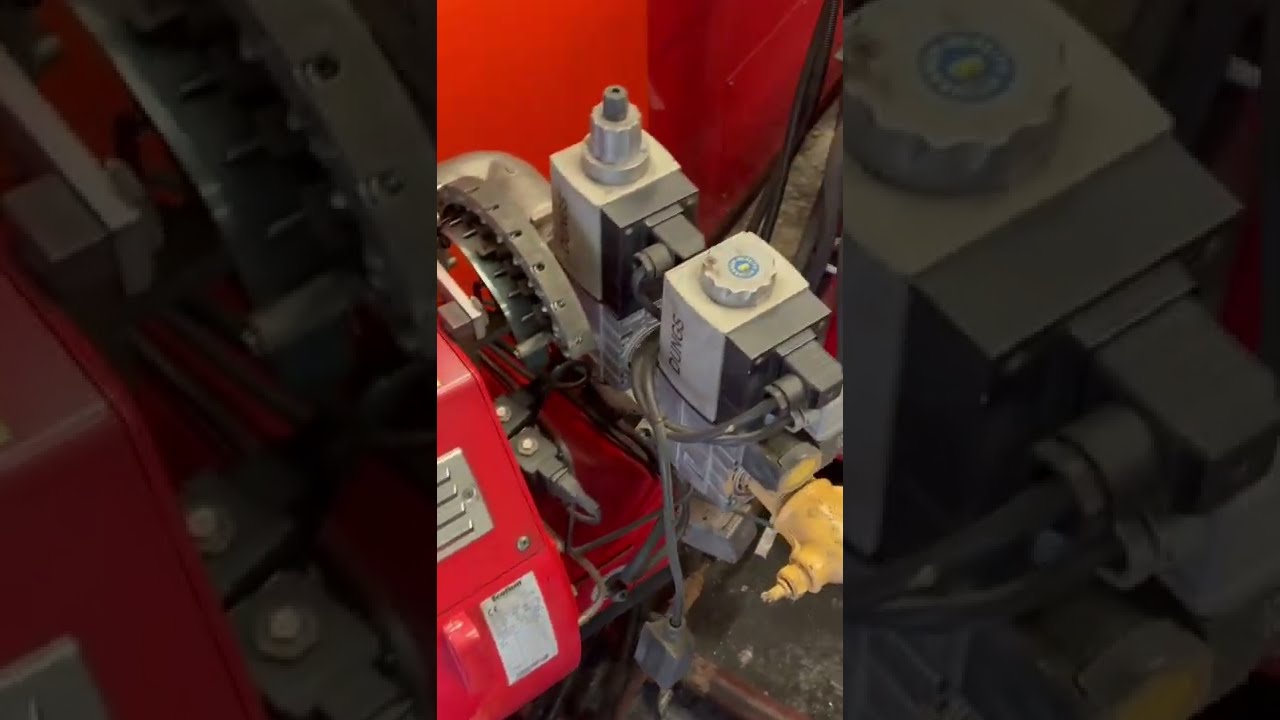
Efficient thermal insulation is another crucial aspect. Appropriate insulation not just decreases thermal loss but also protects tools from temperature changes that might lead to failing. You need to additionally think about style factors to consider that assist in very easy accessibility for maintenance, therefore maximizing upkeep frequency.

Normal performance screening is key to identifying potential issues before they intensify. This positive strategy aids you ensure that your systems remain functional and effective. In addition, ecological versatility of the devices plays an important role. Tools made to withstand the one-of-a-kind difficulties of dry conditions will perform much better over time.
Eventually, by concentrating on these variables material option, corrosion resistance, thermal insulation, maintenance frequency, equipment lifespan, environmental versatility, efficiency screening, and design factors to consider you can significantly boost the durability of your gas system devices, ensuring its reliability popular atmospheres.
Infrastructure Limitations
Framework limitations position crucial difficulties in the procedure and effectiveness of gas systems. In dry atmospheres, these limitations often stem from the extreme environment and geographical functions that influence pipeline stability and gas compression procedures. Heats can lead to enhanced thermal development in pipelines, risking leakages and jeopardizing safety.
To better recognize these obstacles, think about the following variables:
- Pipe honesty concerns: Frequent temperature fluctuations can deteriorate materials, making them vulnerable to failure.
- Gas compression issues: Inadequate framework may lead to inefficient gas compression, causing energy losses and boosted operational costs.
- Access limitations: Remote areas can make complex upkeep and tracking, more aggravating infrastructure weak points.
These aspects not only hinder the integrity of gas transport yet additionally boost the risk of environmental risks. You need to acknowledge that buying sturdy products and sophisticated tracking technologies is essential for boosting facilities resilience. By improving pipe integrity and maximizing gas compression techniques, you can significantly improve the general performance and safety of gas systems in tough dry settings.
Maintenance Difficulties
While dealing with upkeep difficulties in gas systems, you need to recognize that the rough conditions of dry settings considerably make complex upkeep efforts. Preventive maintenance comes to be much more vital as severe temperatures and dust can accelerate devices wear. Routine tools evaluations need to be scheduled a lot more frequently to capture possible failures prior to they escalate, assuring reputable performance.
Executing reliable training programs for your maintenance staff is necessary. These programs need to concentrate on safety and security protocols customized to the distinct obstacles of arid environments, such as heat anxiety and dust inhalation. This knowledge equips your team to do necessary tasks safely and efficiently.
Resource allowance plays a considerable duty in this scenario. You'll need to prioritize maintenance organizing to guarantee that essential devices obtains attention in a timely fashion. Technology combination can aid simplify these procedures, enabling real-time efficiency monitoring and predictive analytics to anticipate upkeep demands.
Functional Price Variables
Operational prices in gas systems are influenced by a plethora of aspects, and recognizing these can result in a lot more efficient budget monitoring. To maximize your costs, you'll need to perform a detailed cost analysis that considers different functional components.
Right here are some essential aspects to examine:
- Gas Costs: Fluctuations in gas prices can substantially affect your general spending plan. Monitoring market fads is crucial.
- Regulative Conformity: Abiding by ecological and security regulations might need added financial investments, which must be factored into your financial planning.
- Infrastructure Maintenance: Regular maintenance of pipes and centers is vital. Budgeting for precautionary maintenance can reduce unforeseen repair service prices.
Power Effectiveness Problems
When thinking about power performance in gas systems, warm loss mitigation is important for maximizing efficiency and lowering expenses. Executing effective devices optimization methods can substantially improve the general system effectiveness, bring about significant financial savings. By focusing on these locations, you can make informed choices that enhance energy use and reduce operational expenditures.
Heat Loss Reduction
Warm loss in gas systems presents significant challenges to power efficiency, impacting both functional costs and ecological sustainability. To combat this problem, you'll require to concentrate on numerous vital techniques that boost system efficiency.
- Implement effective insulation methods to reduce warm transfer.
- Utilize heat exchangers to maximize power healing and boost temperature regulation.
- Include thermal obstacles to reduce warmth loss in at risk areas.
When designing your gas system, careful product selection can play an important function in stopping warmth loss. Assessing the thermal conductivity of products warranties you're utilizing the most reliable alternatives readily available. Additionally, take into consideration incorporating retrofit choices to boost existing systems without considerable overhauls.
Efficiency monitoring and regular performance analysis will give understandings right into system behavior, enabling you to identify warmth loss areas without delay. By addressing these elements, you can greatly enhance energy effectiveness, ultimately resulting in minimized operational prices and a lower ecological influence. In a dry environment, where every unit of power counts, implementing these warm loss mitigation strategies can make a considerable difference in attaining sustainability goals.
Equipment Optimization Techniques
Optimizing equipment in gas systems is important for enhancing power performance and decreasing functional costs. To attain this, executing targeted tools upgrades can greatly enhance your system's total performance. For example, replacing outdated compressors and shutoffs with energy-efficient versions can cause considerable financial savings in power intake.
Additionally, taking on a rigorous performance tracking strategy is essential. By continually tracking vital performance indicators (KPIs) like circulation rates and pressure declines, you can identify inadequacies in real-time. This information enables you to make enlightened choices regarding required changes or additional upgrades.
Additionally, normal maintenance plays a considerable duty in maximizing devices. Setting up preventative upkeep helps assure that your machinery runs at peak performance, protecting against pricey downtime and reducing the probability of unforeseen failings.
Ultimately, think about integrating sophisticated technologies such as IoT sensing units and analytics software program. These tools not only facilitate performance surveillance yet additionally provide predictive understandings that can guide future devices upgrades. By taking these steps, you can create a much more efficient gas system that satisfies the distinct challenges positioned by arid settings, eventually leading to reduced operational costs and enhanced integrity.
Cutting-edge Solutions
Addressing the intricacies of gas system tests calls for ingenious options that take advantage of cutting-edge modern technology and data analytics. In dry environments, where sources are limited, it's vital to adopt approaches that optimize efficiency and sustainability. You'll discover that integrating renewable resource resources into gas systems can substantially decrease dependence on nonrenewable fuel sources, while also decreasing emissions.
Right here are some options you could think about:
- Smart grid modern technology: By making use of innovative sensors and IoT gadgets, you can maximize power distribution and lower waste.
- Carbon capture systems: Implementing these systems can help you catch carbon dioxide discharges from gas plants, transforming a responsibility into recyclable resources.
- Power storage options: Buying battery storage can improve the security of renewable resource sources, making sure a continual supply even when conditions are much less desirable.
These ingenious strategies not just address prompt challenges but also lead the way for an extra lasting energy landscape. By concentrating on these modern technologies, you can add to the durability and effectiveness of gas systems in arid regions, securing energy requirements while reducing environmental effect.
Future Overview and Approaches
Preparing for the future of gas systems calls for a calculated strategy that incorporates emerging technologies and lasting methods. You require to concentrate on innovations such as wise grid modern technology, which enhances energy distribution and decreases waste. By leveraging information analytics, you can anticipate need variations and change supply chains as necessary, guaranteeing effectiveness in arid environments.
Policy adjustments will be vital in this makeover. Governments should implement regulations that promote renewable resource assimilation within gas systems, consequently minimizing reliance on fossil fuels. You need to promote for incentives that encourage financial investments in lasting methods, such as carbon capture and storage, which can substantially mitigate environmental influences.
Moreover, working together with stakeholders varying from local neighborhoods to power companies will boost your understanding of local challenges and foster common services. This collective method can drive advancement and guarantee that gas systems continue to be resistant versus environment variability.
Ultimately, your strategies should be data-driven, using real-time surveillance to boost operational effectiveness and sustainability. By focusing on these elements, you can pave the way for a more adaptive and environmentally conscious gas system, efficient in prospering in arid landscapes.
Often Asked Questions
How Does Plants Cover Affect Gas Systems in Arid Regions?
Greenery cover greatly affects gas systems in deserts. Different plants kinds can improve dirt moisture retention, impacting gas exchange procedures. As an example, denser plant life typically leads to greater dampness levels in the dirt, promoting far better microbial activity that can either promote or prevent gas manufacturing. By evaluating these interactions, you can better understand exactly how varying plant life types impact gas system efficiency and security in these challenging settings.
What Function Do Local Areas Play in Gas System Monitoring?
Regional communities play an important duty in gas system management through neighborhood interaction and collaborative administration. By actively getting involved, you can assist recognize neighborhood needs and concerns, ensuring that the gas systems align with area passions. This participation fosters transparency and trust, leading to much more effective decision-making. Data-driven approaches, like community surveys and comments mechanisms, improve system effectiveness and sustainability, ultimately profiting both the atmosphere and regional economies. Your voice matters in shaping these systems.

Exist Details Laws for Gas Systems in Arid Environments?
Yes, there are specific policies for gas systems that focus on regulative conformity and ecological assessments. You'll find that these policies aim to lessen ecological influences while making certain risk-free operation. They often need extensive ecological evaluations before project authorizations, attending to elements like land use and water sources. Sticking to these laws not only protects the environment but also fosters community trust fund, making it vital for you to remain informed regarding local and federal guidelines.
Just How Do Wildlife Patterns Effect Gas Framework in These Areas?
Wild animals patterns significantly impact gas facilities, especially via movement patterns and habitat disturbance. When animals move, they can accidentally harm pipes or other installments. Environment disruption from gas activities can compel wild animals to modify their routes, causing increased risks of accidents and eco-friendly discrepancies. By evaluating these patterns and their results, you can much better prepare for possible challenges and establish techniques to decrease adverse influence on both wild animals and facilities.
What Are Common Emergency Situation Response Methods for Gas Leaks in Arid Zones?
In dry areas, reliable emergency feedback strategies for gas leakages involve a number of key elements. You'll rely upon sophisticated leak detection technologies to promptly determine concerns. Prioritizing safety and security training assurances that your group is prepared to deal with emergency situations efficiently. Emergency situation readiness plans must be on a regular basis upgraded, concentrating on feedback coordination amongst neighborhood authorities and companies. By incorporating these elements, you improve overall security and minimize the effect of gas leaks on both individuals and the atmosphere.
Summary
To conclude, attending to gas system challenges in arid environments needs a diverse method. By incorporating renewable energy, improving facilities resilience, and adopting cutting-edge technologies, you can minimize the influences of severe temperature levels and water scarcity. Understanding the operational price elements and tools toughness issues is crucial for establishing effective techniques. As the demand for sustainable gas operations grows, prioritizing these solutions will assure an extra reliable and effective gas system in these challenging areas.